




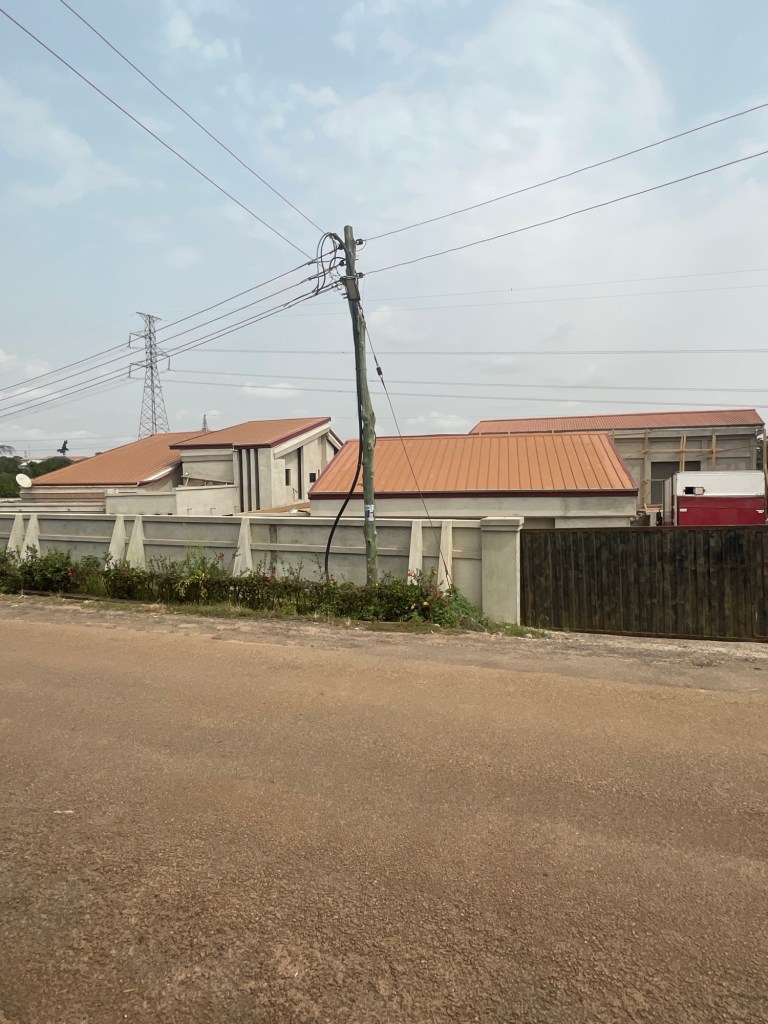
📌Prevent leaks & water damage
📌Improve energy efficiency
📌Increase property value
Enhance looks


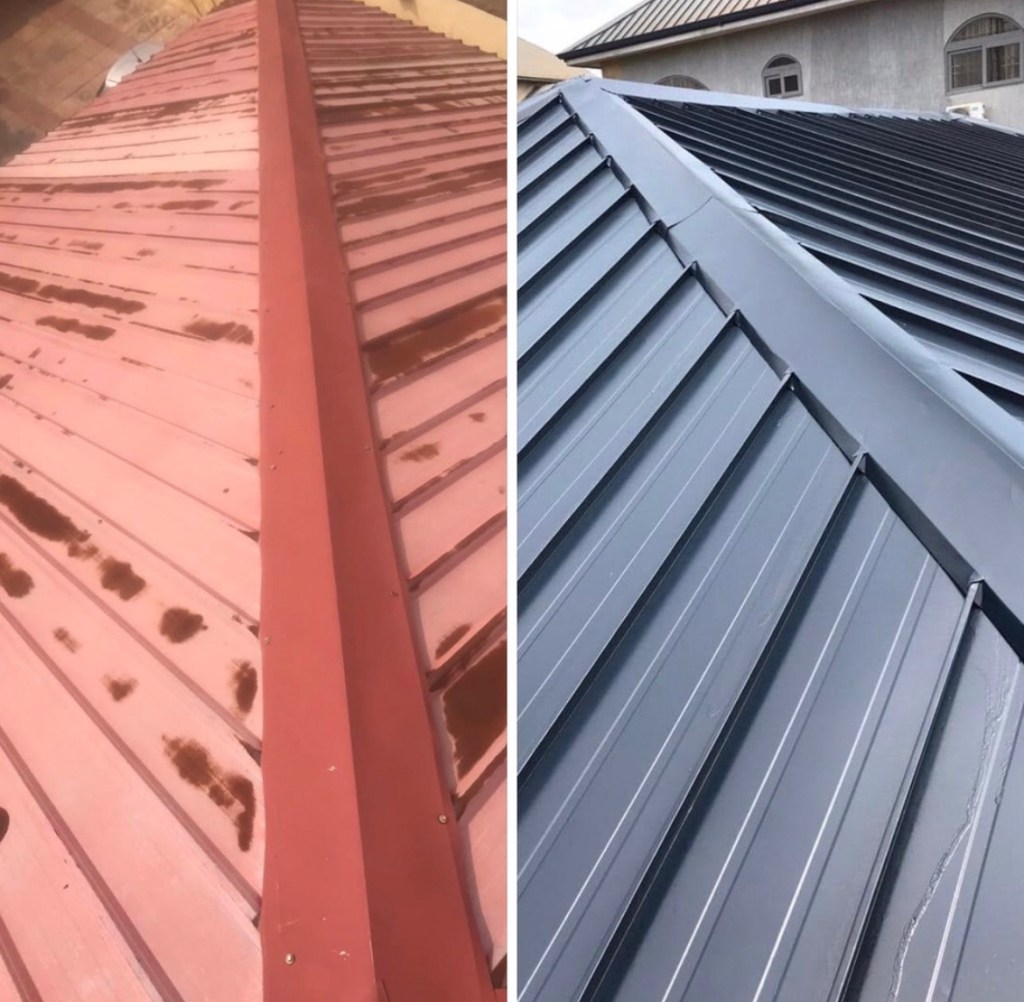
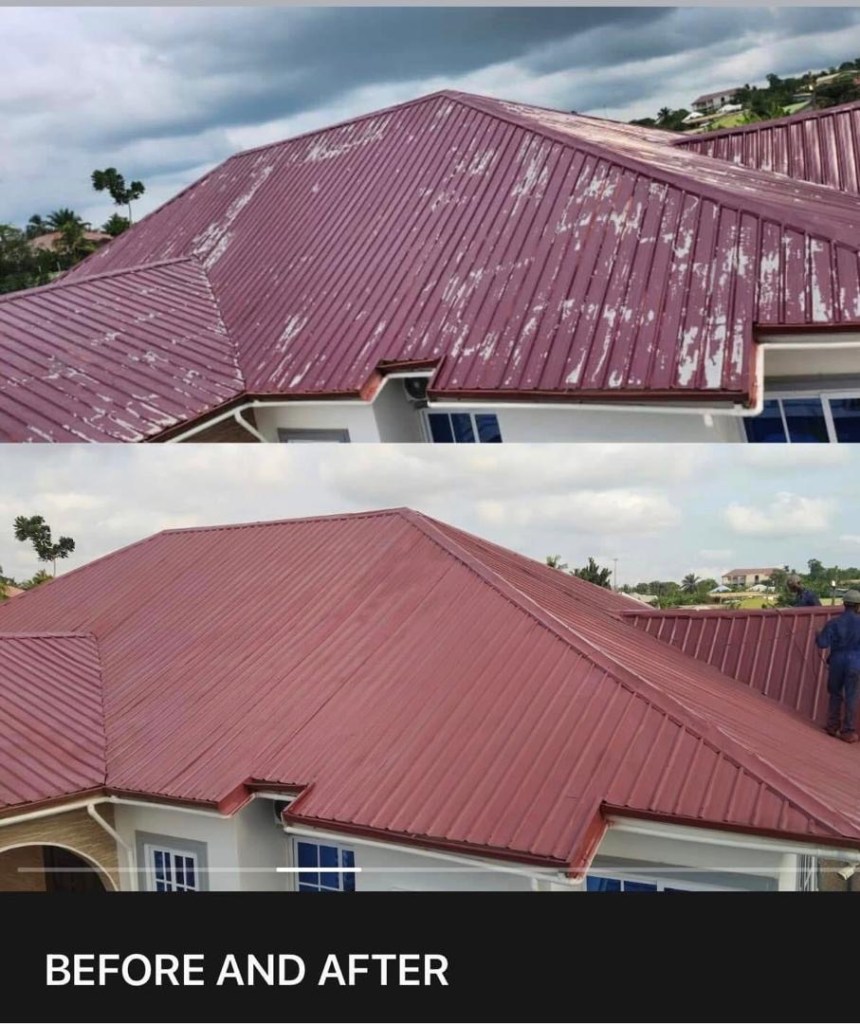
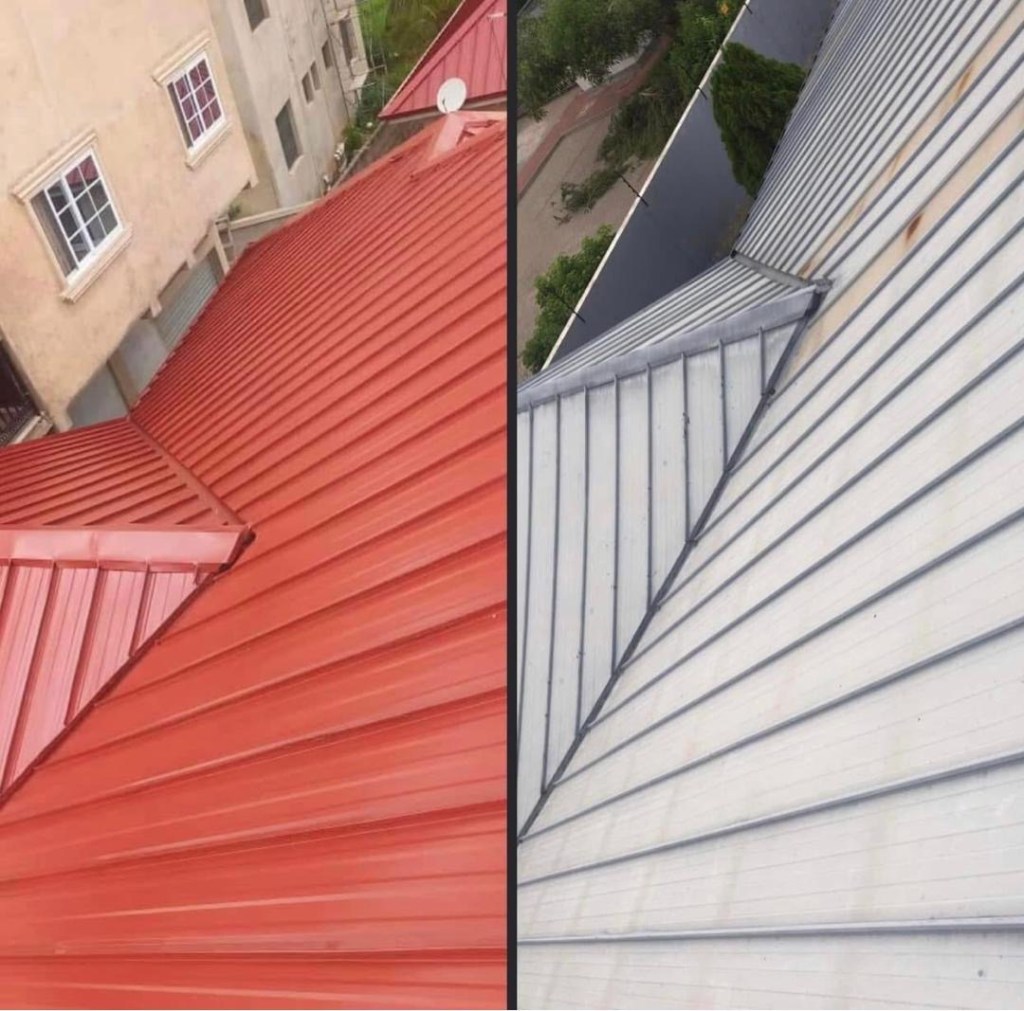
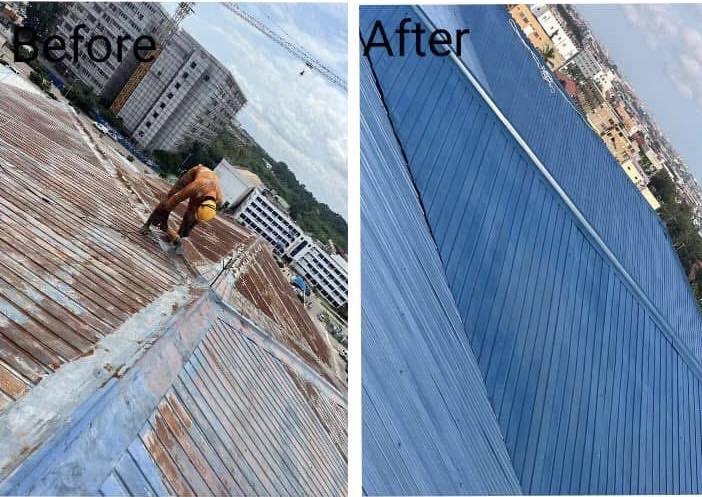
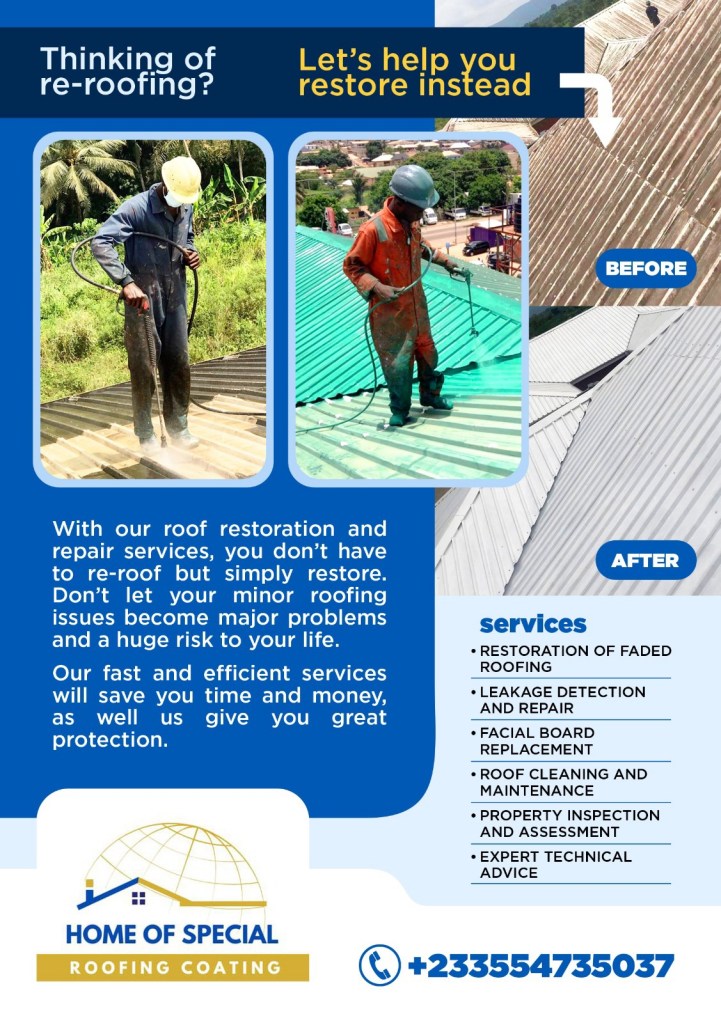
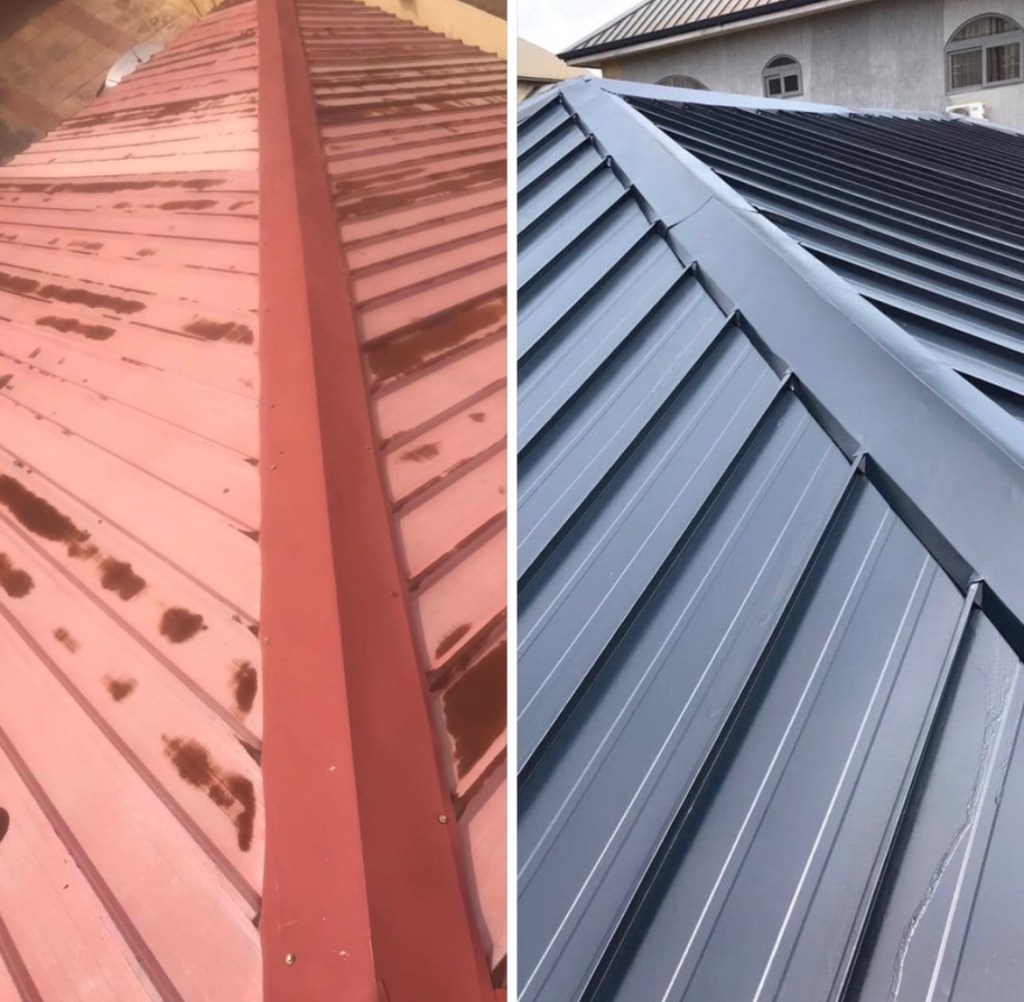

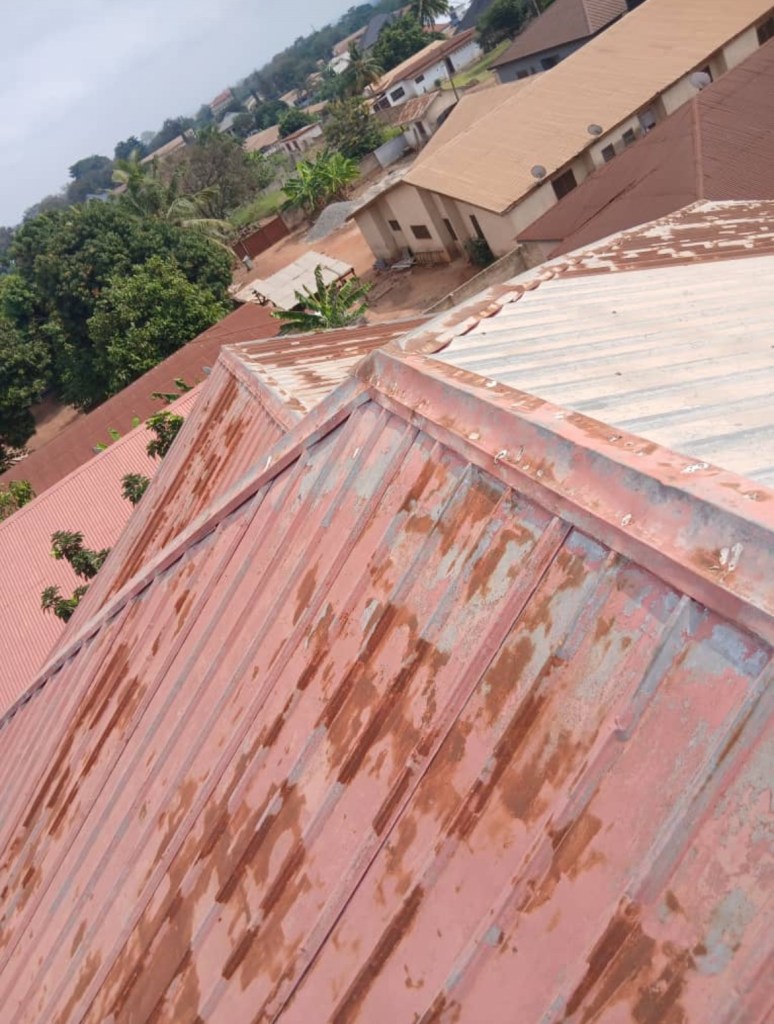
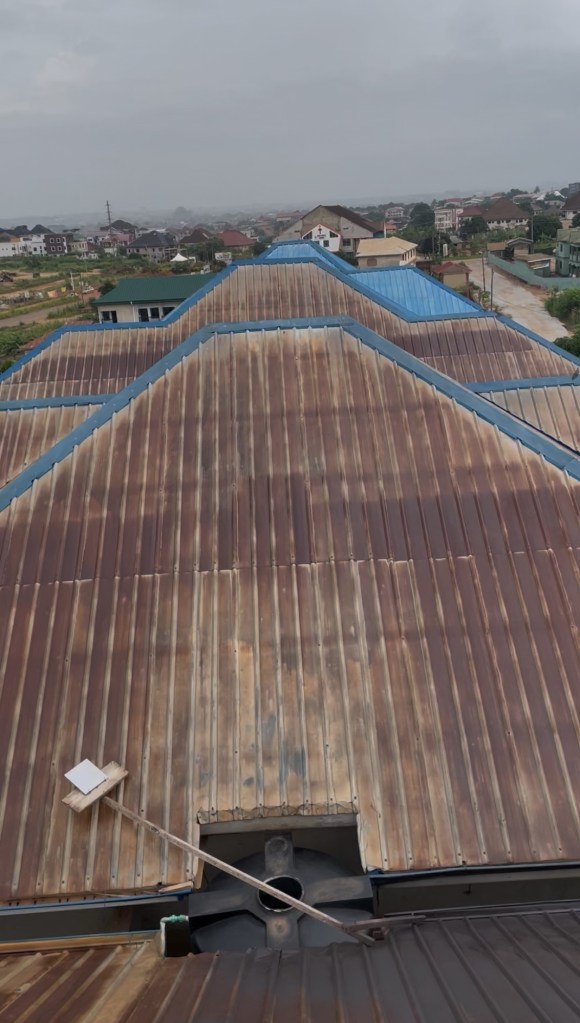
Faded roofing sheets, particularly metal (steel or aluminum), are usually the result of UV radiation breaking down the paint pigment, leading to oxidation, chalking, and a dull, powdery appearance. While faded sheets often still protect the building, they indicate that the protective coating is degrading, which can lead to further damage.
1. Diagnosis: Fading vs. Failure
Chalking: A white, powdery residue is the first stage, where the paint binder breaks down.
Fading/Color Loss: The paint loses its intensity, often unevenly.
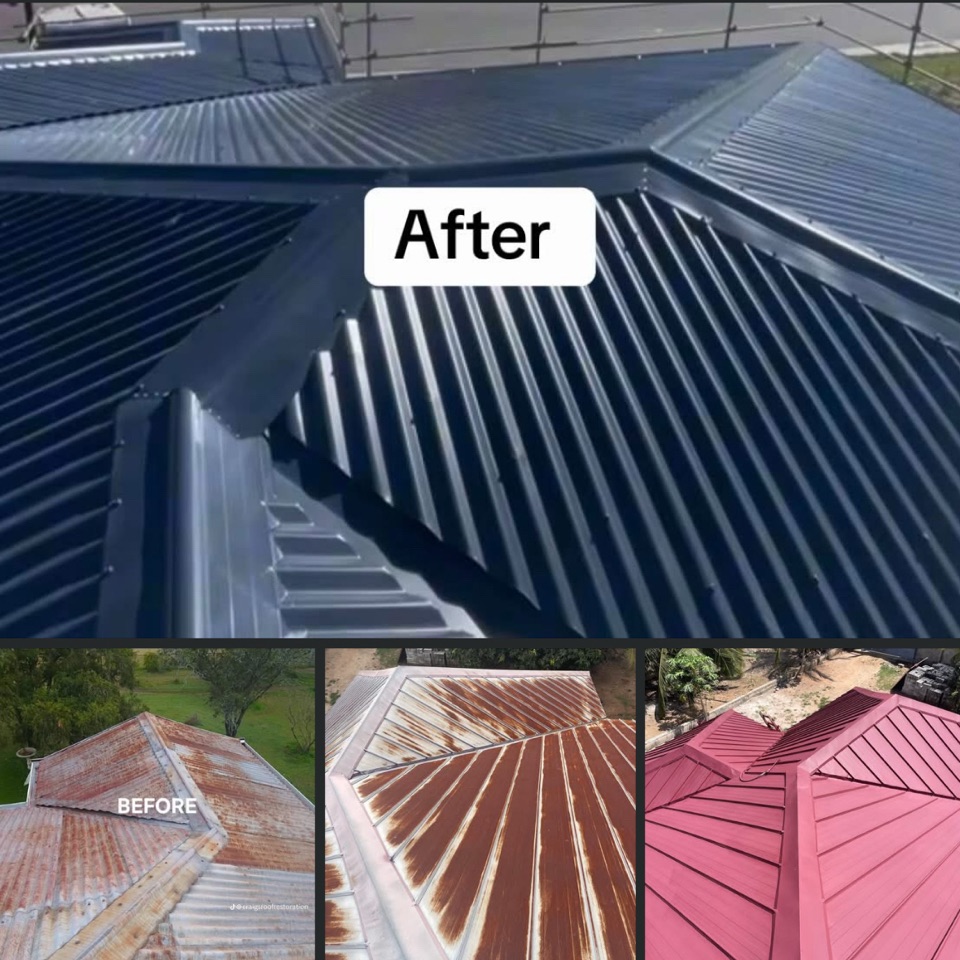
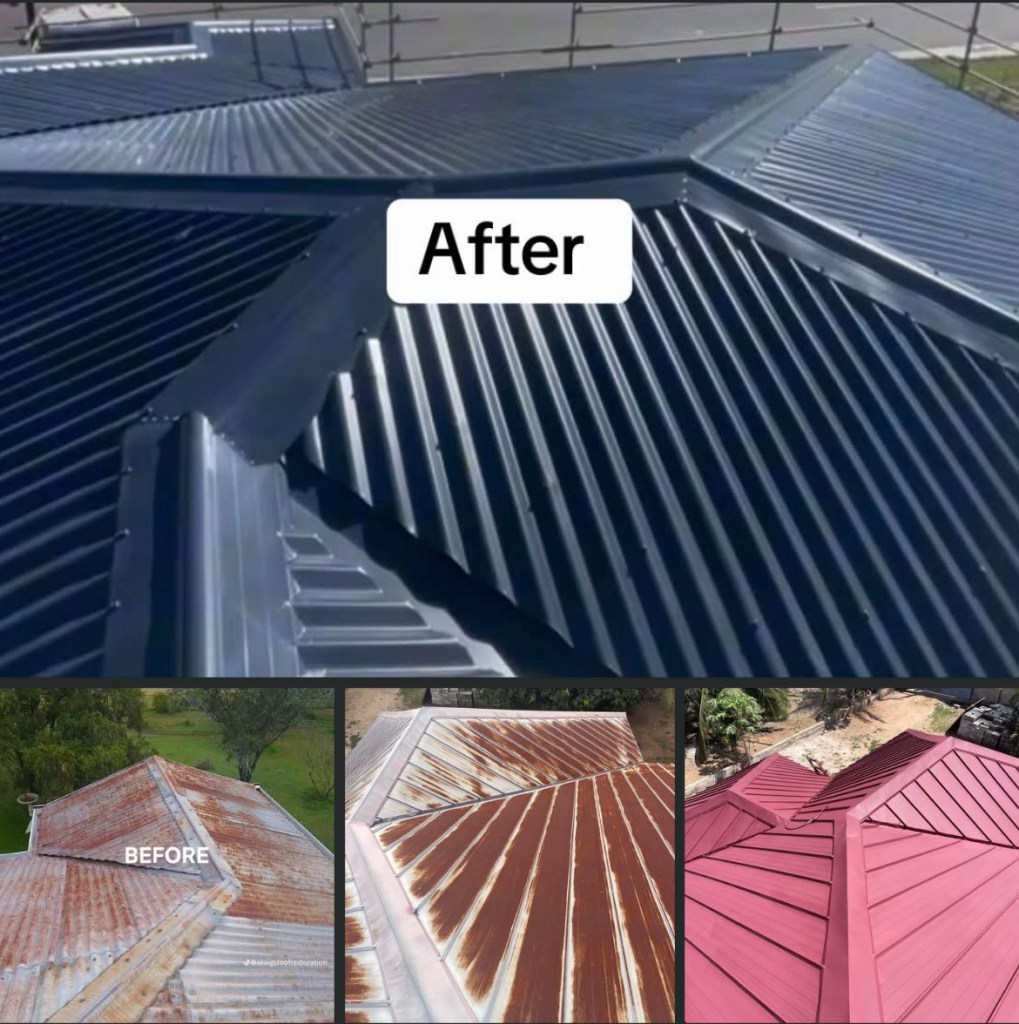
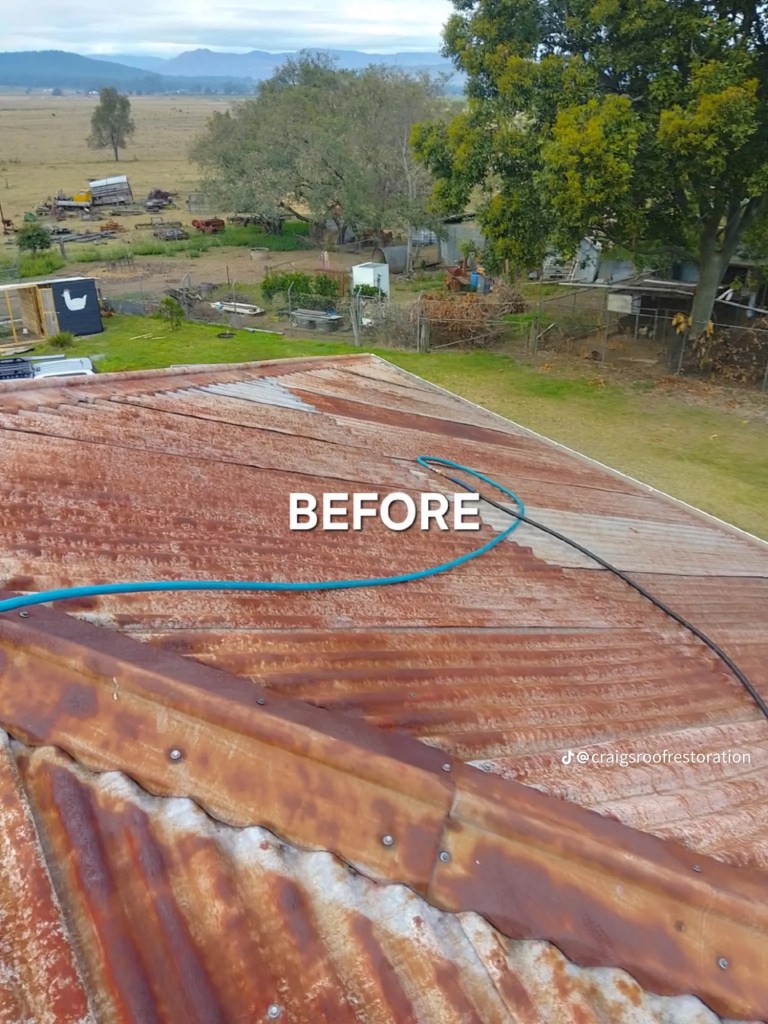
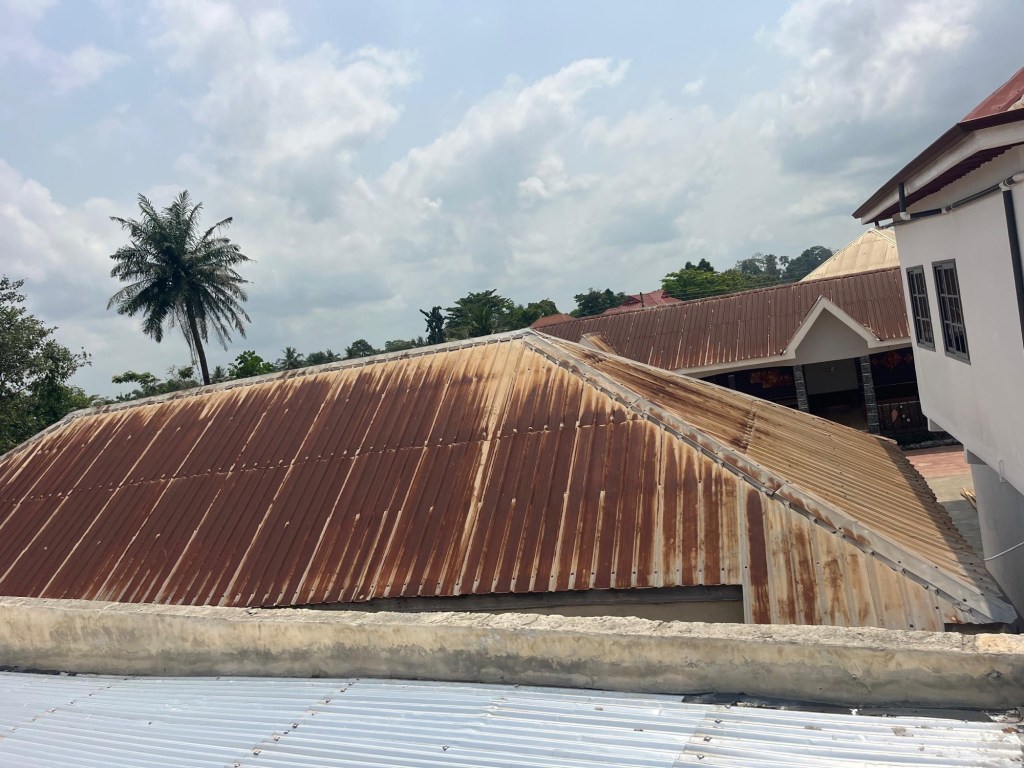
Rust/Corrosion: If brown spots appear, the protective coating has failed, exposing the base metal. This requires
1. Diagnosis: Fading vs. Failure
Chalking: A white, powdery residue is the first stage, where the paint binder breaks down.
Fading/Color Loss: The paint loses its intensity, often unevenly.
Rust/Corrosion: If brown spots appear, the protective coating has failed, exposing the base metal. This requires immediate action.
2. Restoration and Treatment Options
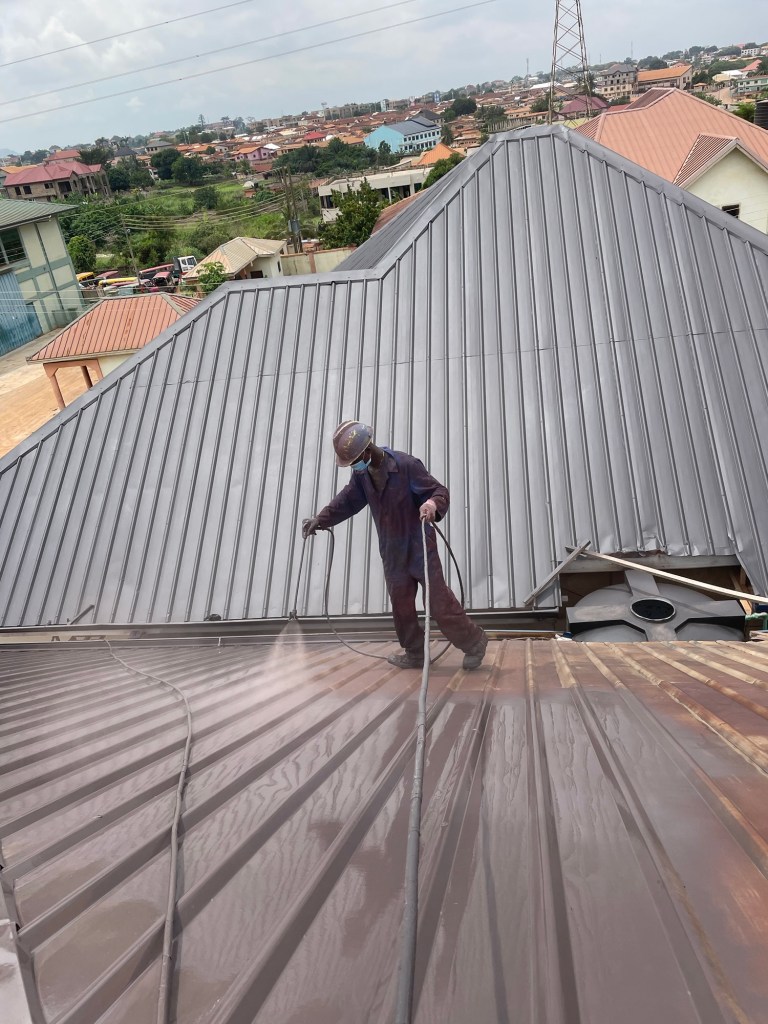
Cleaning: Use a low-pressure wash with water and mild detergents, or water mixed with vinegar/baking soda. Avoid high-pressure washers, which can damage coatings and force water into overlaps, causing leaks.
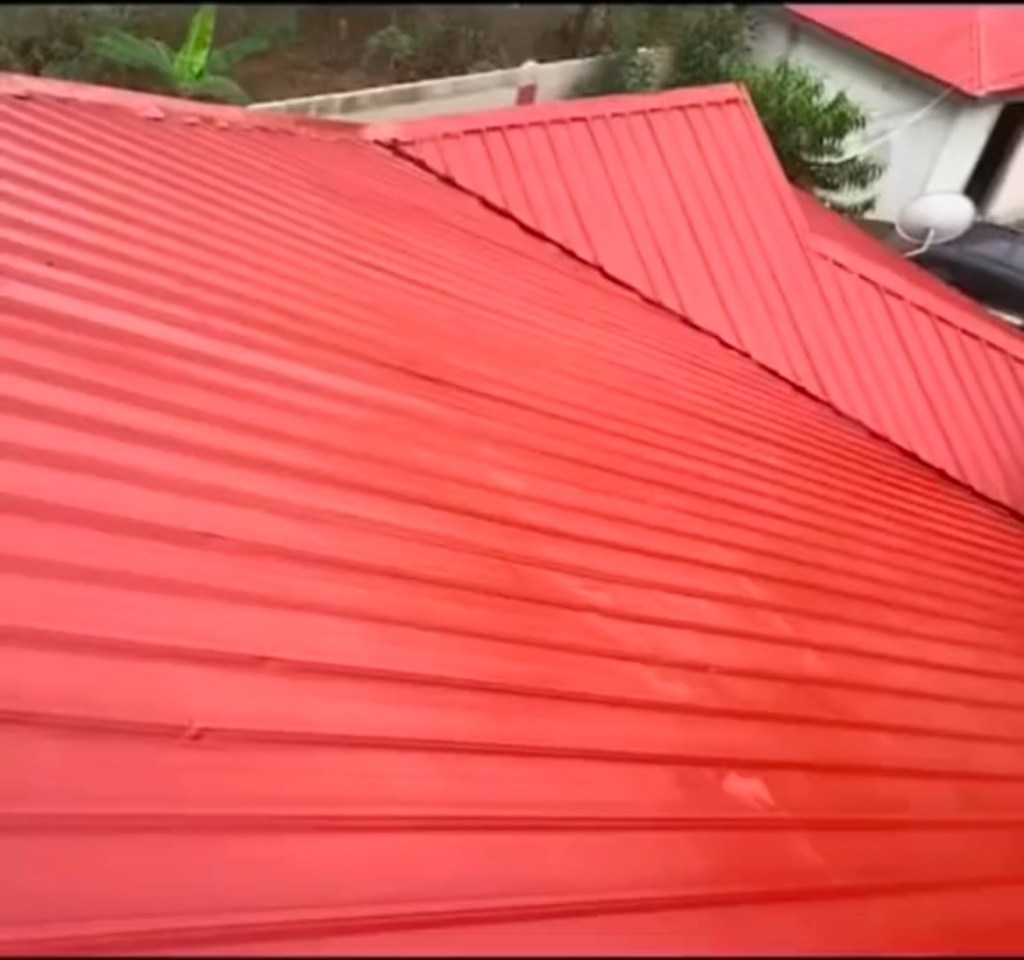
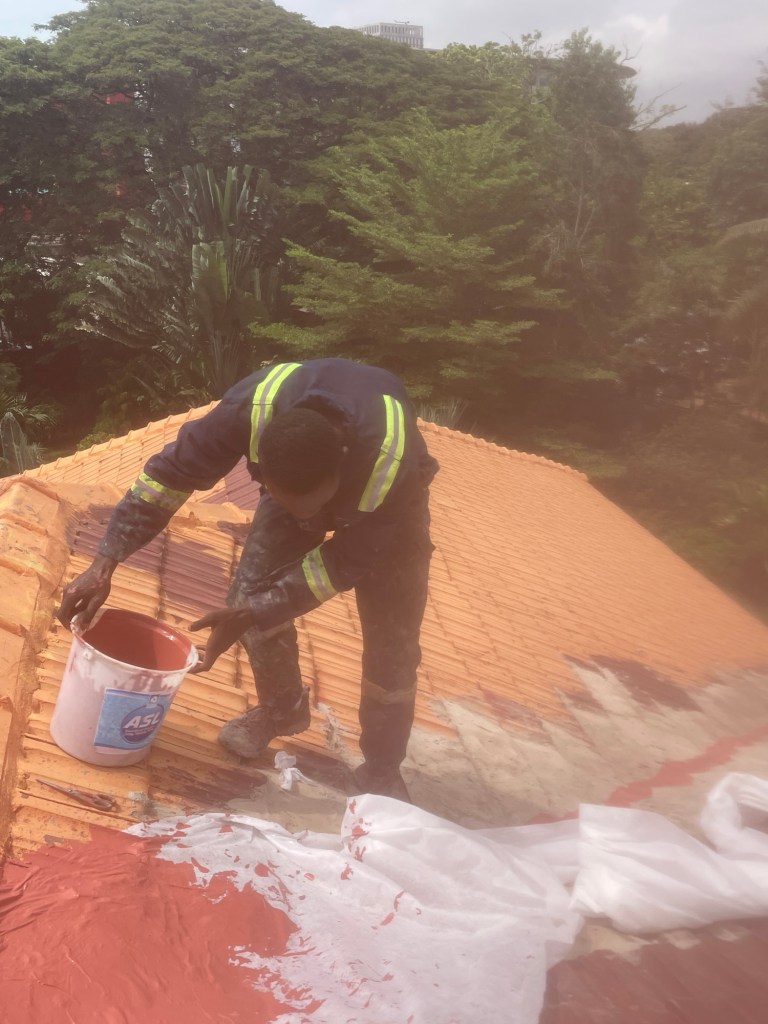
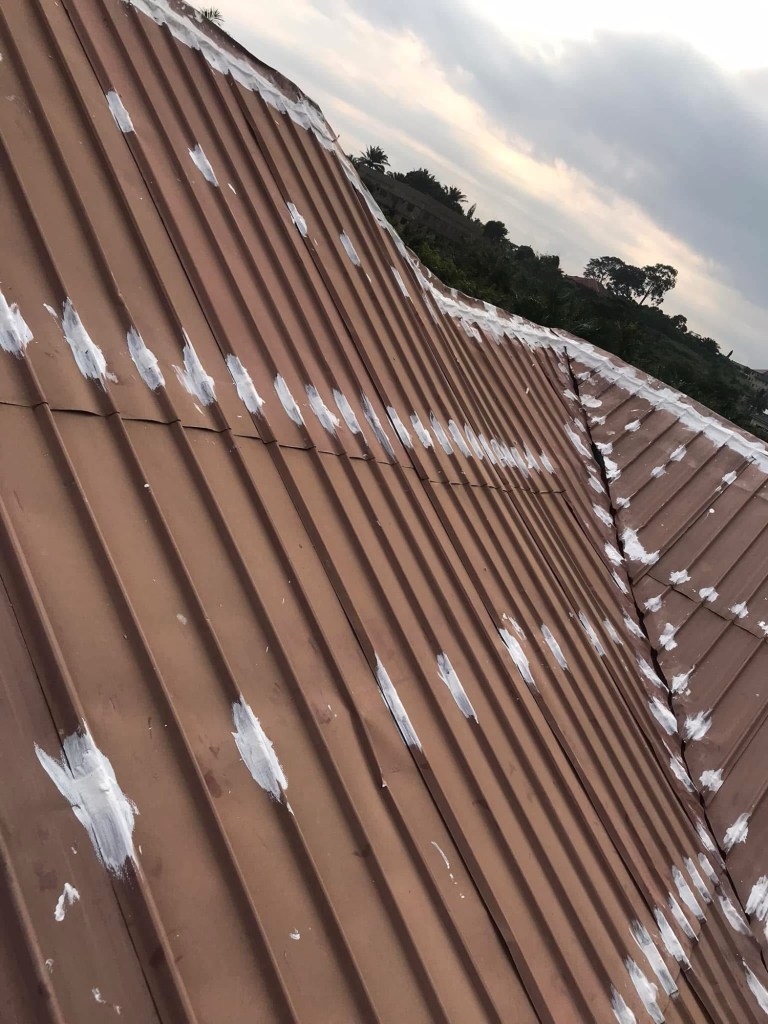
Repainting (Coating):Preparation: Clean the roof, remove any rust using wire brushes or sandpaper, and apply a rust-inhibiting primer.
Paint Selection: Use high-performance coatings, such as PVDF (polyvinylidene fluoride) or polyurethane, which offer superior UV resistance and longevity.
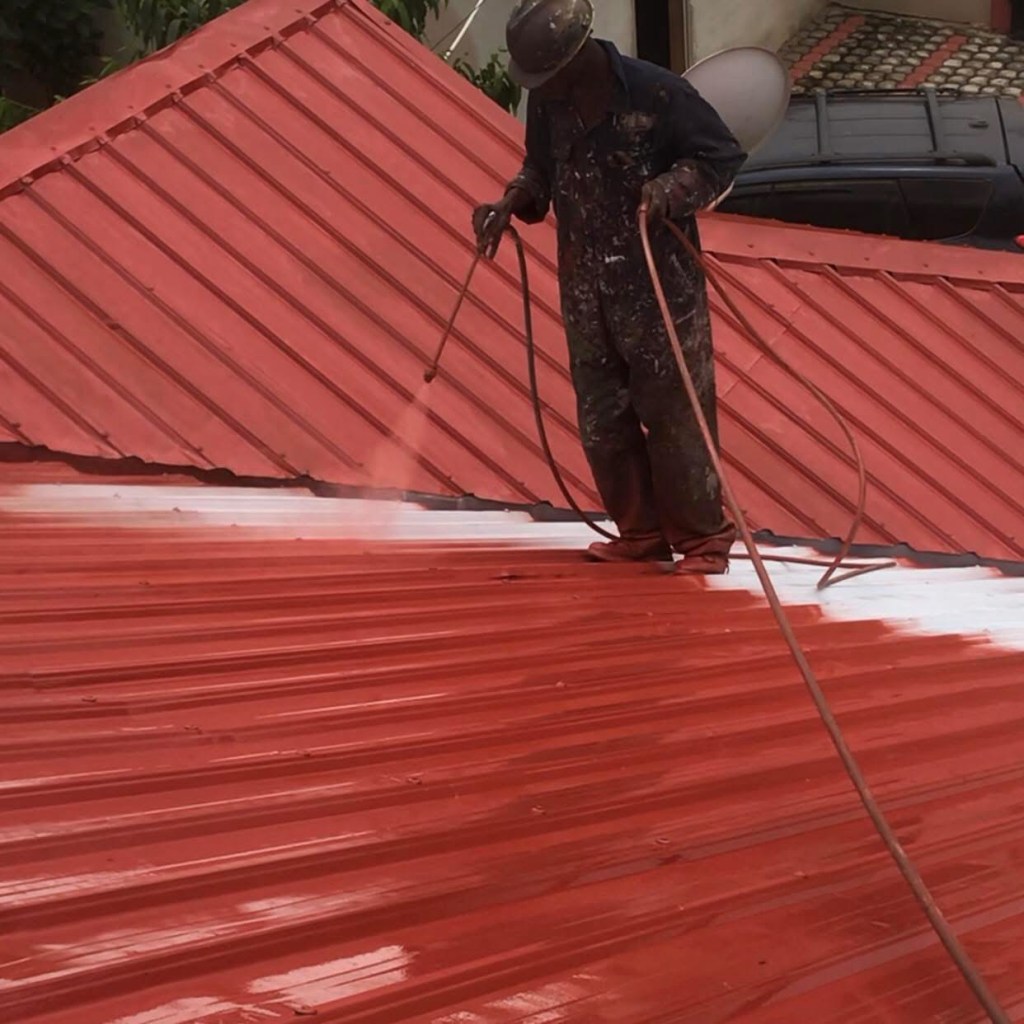
Application: Spraying is efficient but requires care to avoid over-spray on neighboring properties. Paint on dry, cool days (not in direct, hot sun).
Double Roof Renovation: Instead of demolishing, you can install new roofing sheets over the old ones, which also improves insulation.
3. Prevention and Long-Term Maintenance
Choose High-Quality Coatings: Invest in PVDF-coated steel (e.g., Colorbond) which provides a 40-year warrantable life.
Color Selection: Darker colors (black, deep blue, dark grey) absorb more UV and heat, causing them to fade faster. Lighter, neutral colors last longer.
Routine Inspection: Regularly clean gutters and inspect panels, especially at seams and joints where rust often begins.
Swarf Removal: Ensure workers remove metal filings (swarf) immediately after drilling during installation; otherwise, they will rust and stain the sheets.
4. When to Replace
If the metal sheets have structural corrosion, are flaking extensively, or have significant water leakage that cannot be fixed by cleaning and coating, replacement is necessary.
2. Restoration and Treatment Options
Cleaning: Use a low-pressure wash with water and mild detergents, or water mixed with vinegar/baking soda. Avoid high-pressure washers, which can damage coatings and force water into overlaps, causing leaks.
Repainting (Coating):Preparation: Clean the roof, remove any rust using wire brushes or sandpaper, and apply a rust-inhibiting primer.
Paint Selection: Use high-performance coatings, such as PVDF (polyvinylidene fluoride) or polyurethane, which offer superior UV resistance and longevity.
Application: Spraying is efficient but requires care to avoid over-spray on neighboring properties. Paint on dry, cool days (not in direct, hot sun).
Double Roof Renovation: Instead of demolishing, you can install new roofing sheets over the old ones, which also improves insulation.
3. Prevention and Long-Term Maintenance
Choose High-Quality Coatings: Invest in PVDF-coated steel (e.g., Colorbond) which provides a 40-year warrantable life.
Color Selection: Darker colors (black, deep blue, dark grey) absorb more UV and heat, causing them to fade faster. Lighter, neutral colors last longer.
Routine Inspection: Regularly clean gutters and inspect panels, especially at seams and joints where rust often begins.
Swarf Removal: Ensure workers remove metal filings (swarf) immediately after drilling during installation; otherwise, they will rust and stain the sheets.
4. When to Replace
If the metal sheets have structural corrosion, are flaking extensively, or have significant water leakage that cannot be fixed by cleaning and coating, replacement is necessary.
 Why re-roof and restore .